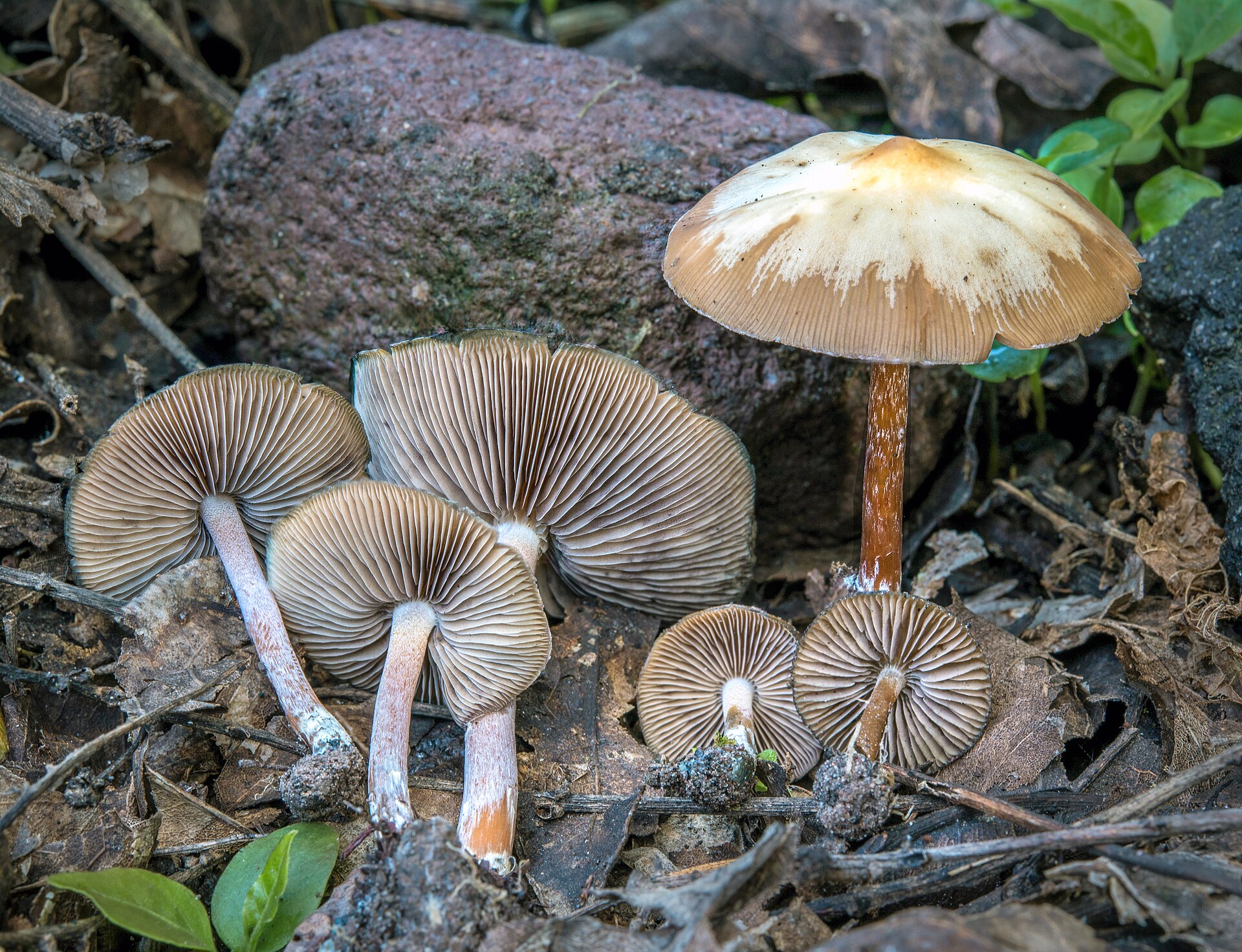
La Martinica, Veracruz
P. zapotecorum collected near Xalapa: cultivation, chemistry and a genome assembly deposited under BioProject PRJNA1013220.
Open reference genomes to support the taxonomy, conservation and study of entheogenic organisms.
The gap
Entheogenic organisms (psilocybin-producing fungi, mescaline-bearing cacti, tryptamine-rich plants) span hundreds of species across dozens of genera. Most lack a public molecular reference.
Our first focus is fungal (Psilocybe, Panaeolus,Gymnopilus, Pluteus, Inocybe,Conocybe), with mescaline-bearing cacti and the major tryptamine plants to follow. Across all of them, reference sequences enable taxonomic resolution, conservation assessment and evolutionary inference.
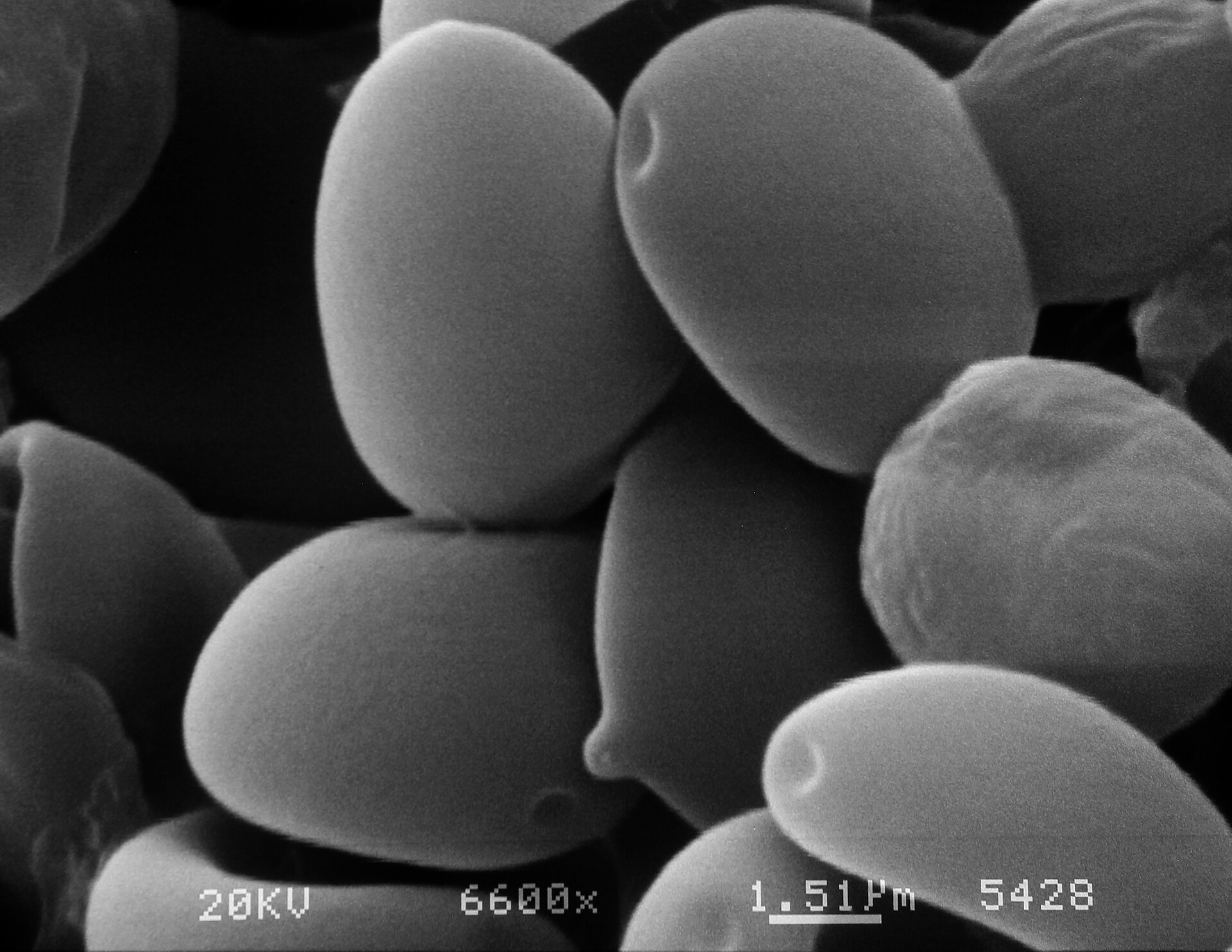
DNA barcoding
For vouchered specimens entering the program, we produce multi-locus barcodes (standardized markers such as ITS and LSU) and, where material and funding allow, whole-genome assemblies. Each record is linked to a herbarium accession, geographic coordinates and collection provenance.
Fieldwork proceeds under Nagoya-compliant access agreements, prior informed consent and equitable benefit-sharing with source communities.
All data is deposited in GenBank under open access.
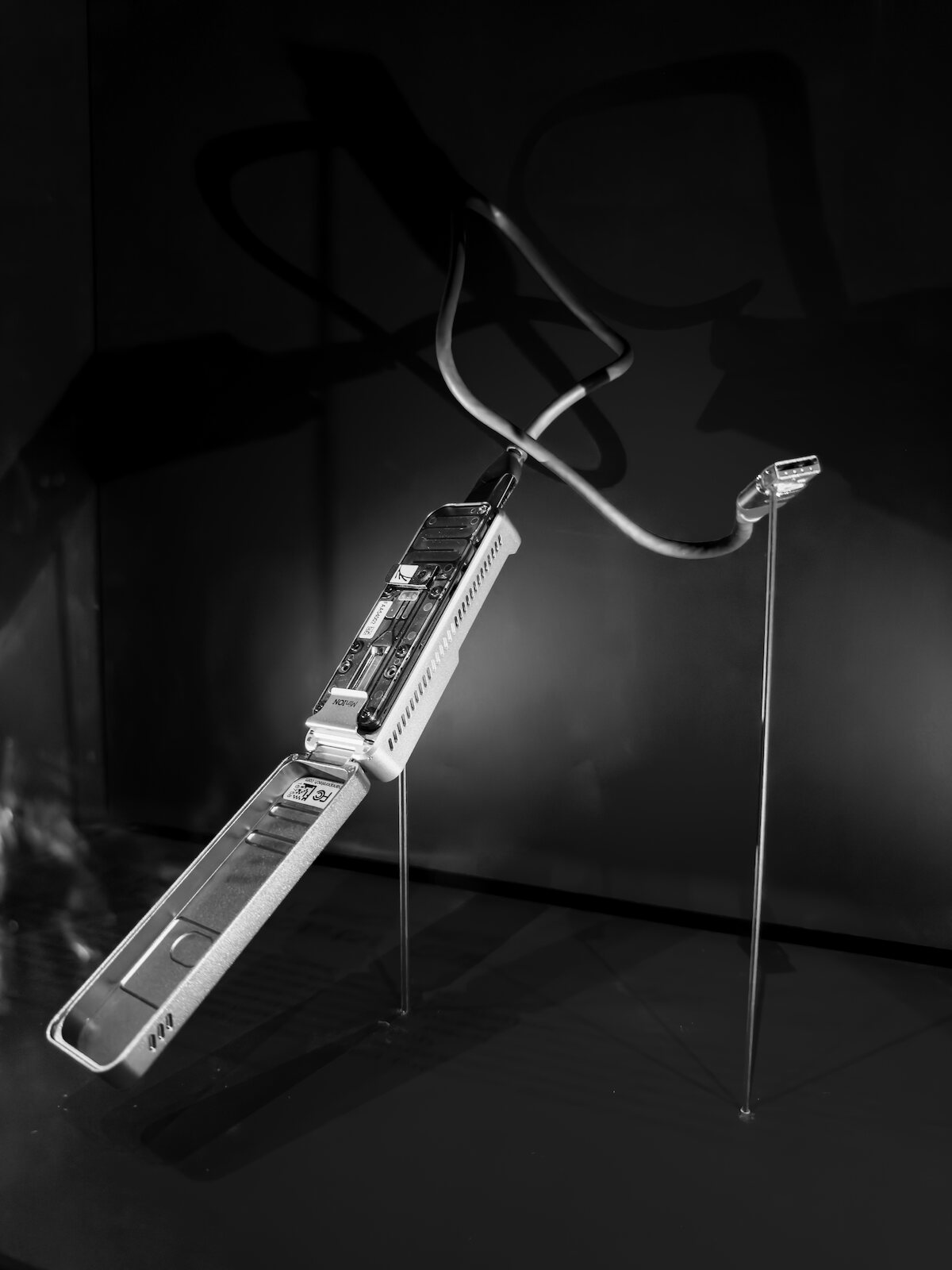
Below: a schematic nanopore current trace basecalled to the conserved ITS1 opening used in fungal barcoding; illustrative, not deposited data.
ITS…TCCGTAGGTGAACCTGCGGAAGGATCATTA…Psilocybe zapotecorum
Evidence
| Category | ID | Title | Authors | Source |
|---|---|---|---|---|
| BioProject | PRJNA1013220 | Entheome Foundation genome sequencing | Entheome Foundation | GenBank · 6 assemblies |
| Pipeline | EGAP | Entheome Genome Assembly Pipeline | I. M. Bollinger | GitHub · Bioconda |
| Publication | 2025 | High-quality draft genomes of ecologically and geographically diverse Psilocybe species | Bollinger et al. | Microbiol Resour Announc |
| Publication | 2024 | Cultivation, chemistry, and genome of Psilocybe zapotecorum | Miller et al. | J. Psychedelic Studies |
Expeditions
We collect vouchered specimens and sequence on site in regions of high endemism, focusing on taxa with no public sequence data. Completed records are returned to the communities and institutions that enabled the work.
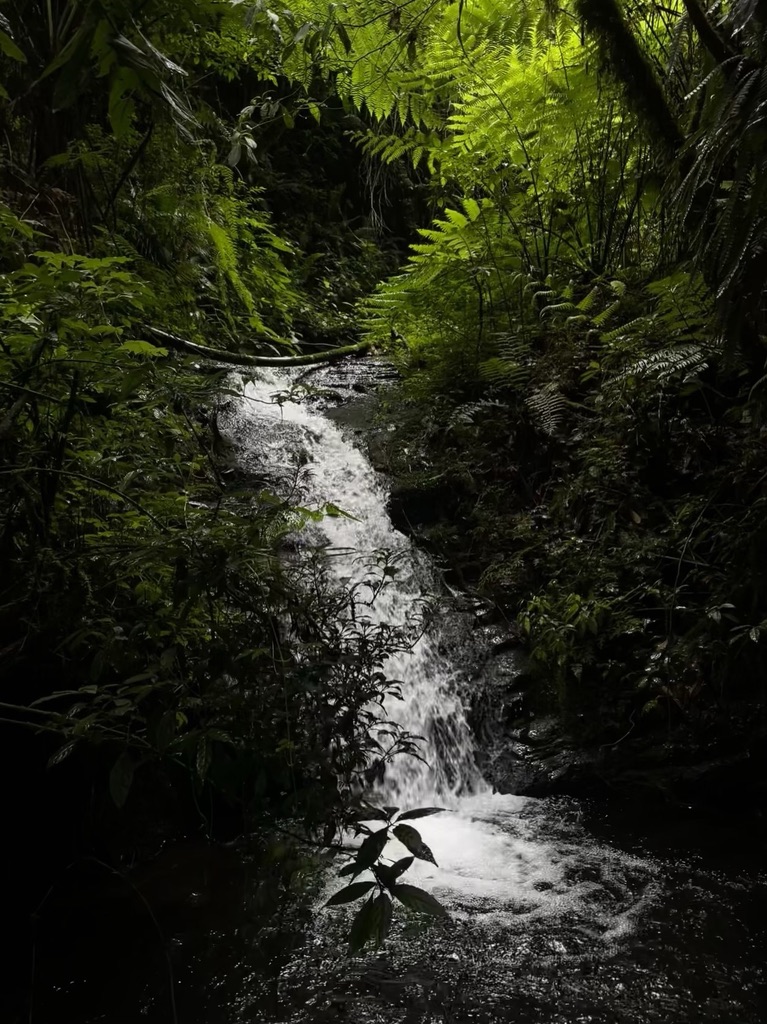
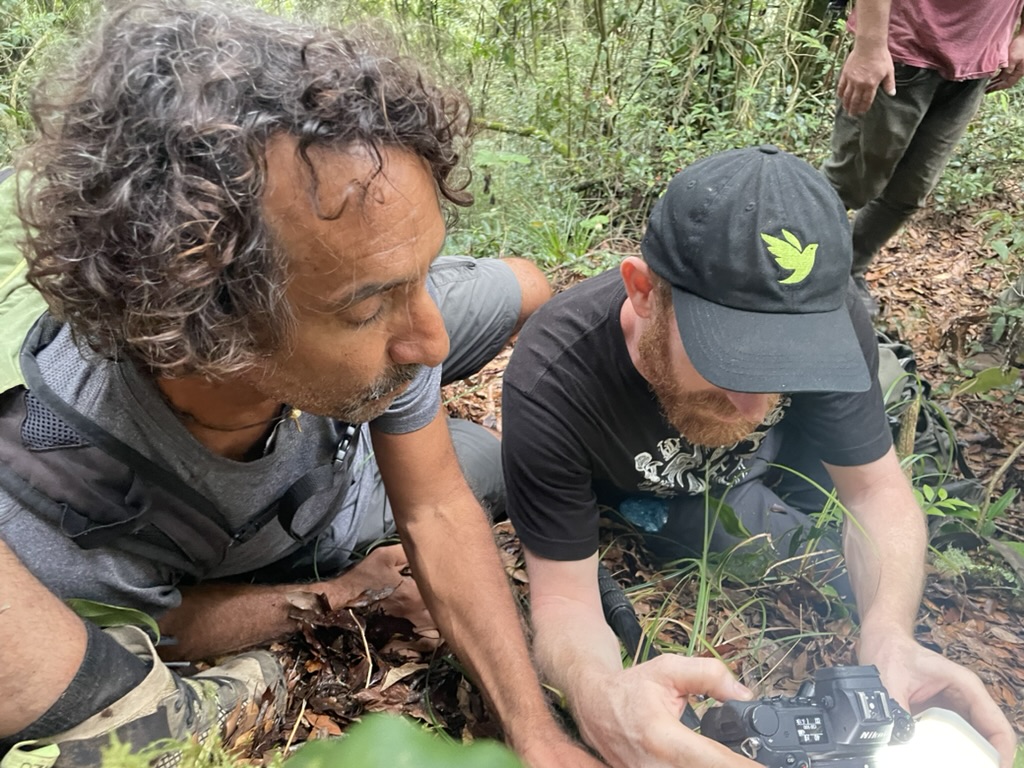
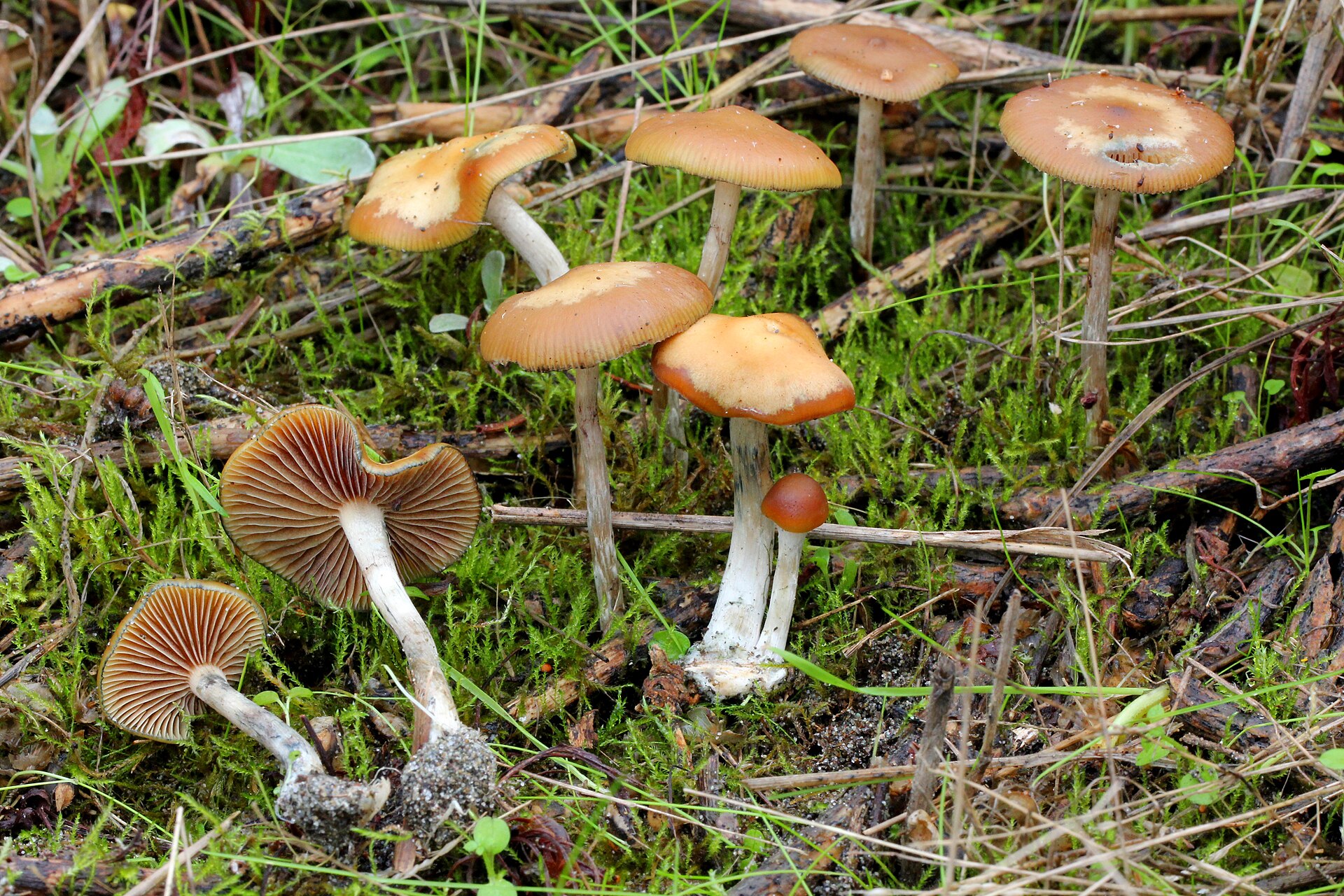
P. zapotecorum collected near Xalapa: cultivation, chemistry and a genome assembly deposited under BioProject PRJNA1013220.
Wild-collected P. allenii and P. azurescens from California coastal and Bay Area sites; hybrid assemblies released openly with the 2025 genome announcement.
Our first modular field station: on-site extraction and sequencing capacity for denser sampling across undersampled Psilocybe lineages.
People
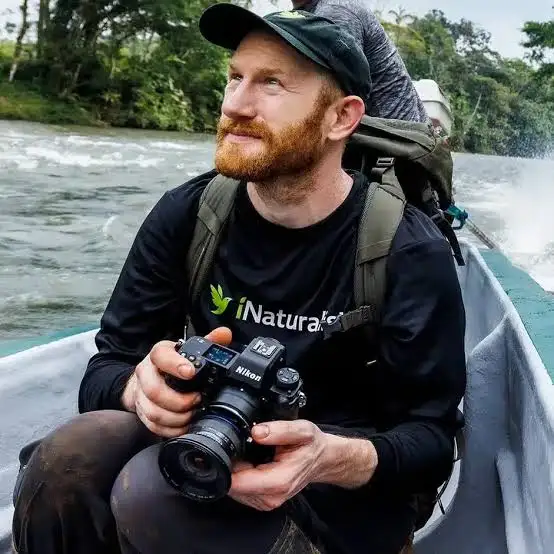
Mycologist · Photographer · Bioinformaticist
Alan Rockefeller is a mycologist and board member of the Entheome Foundation, specializing in fungal taxonomy, DNA barcoding, microscopy, and field photography. He has described Psilocybe caeruleorhiza amonst many others and has documented thousands of fungal species across the Americas, and teaches molecular methods and photography through his company Mycena.
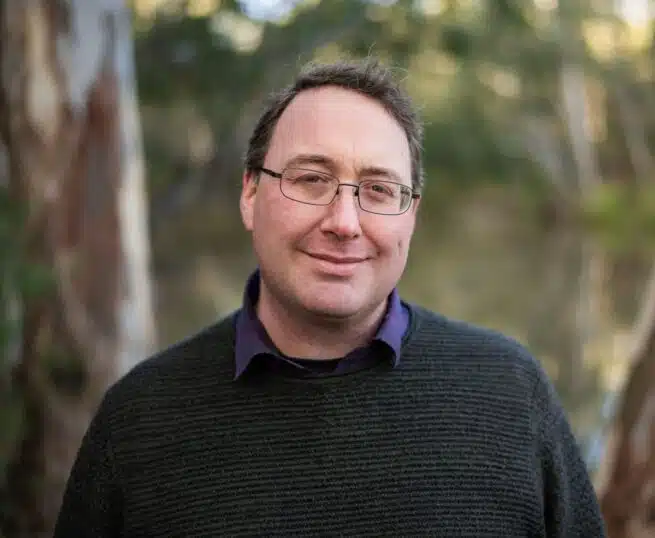
Mycologist · Ethnobotanist · Bioinformaticist
Caine Barlow is a mycologist, fungi educator, and co-founder of the Entheome Foundation, based in Melbourne, Australia. He holds a Master of Science in bioinformatics and conservation mycology from the University of Melbourne, has co-authored work on Psilocybe ecology and genetics, and has supported Entheogenesis Australis publications and education programs for several years.
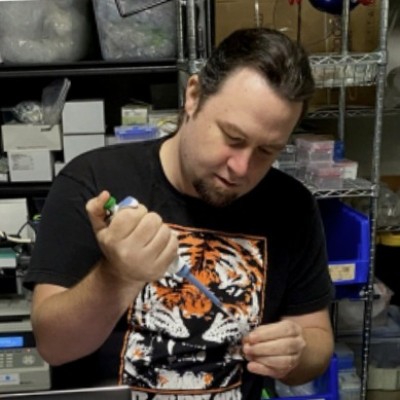
Mycologist · Molecular Biologist · Bioinformaticist
Harte Singer is a mycologist and board member of the Entheome Foundation, co-author on published Psilocybe genomes including P. zapotecorum. Trained in cell and molecular biology, he came to the field through foraging and community science at Counter Culture Labs and through his business Dikarya LLC, and has taught community mycology workshops.
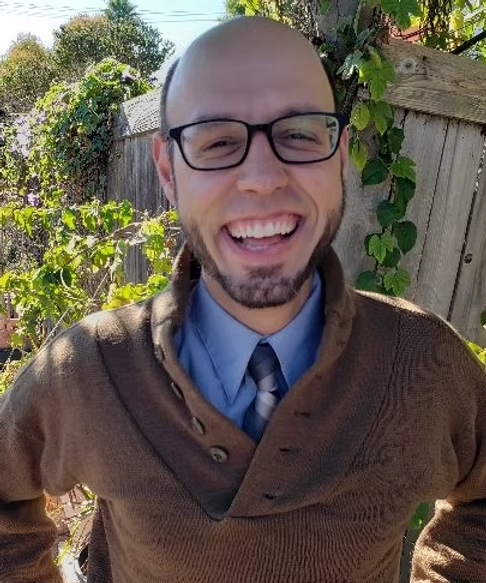
Multi-Disciplinary Natural Philosopher · Bioinformaticist
Ian M. Bollinger is a founding board member and bioinformaticist at the Entheome Foundation and the developer of EGAP, the open-source genome assembly pipeline behind the Entheogen Genome Project. An analytical chemist and geneticist, he has first-authored and co-authored published Psilocybe genomes and co-founded Hyphae Labs.
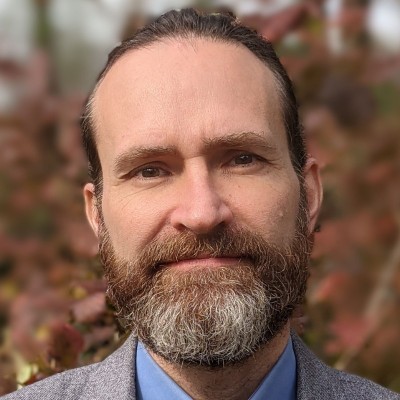
Evolutionary Biologist · Proffessor · Scientific Advisor
Jason C. Slot, PhD, is a founding member and scientific advisor to the Entheome Foundation and a professor of fungal evolutionary genomics at The Ohio State University. His laboratory studies fungal metabolic gene clusters, including the evolution of the psilocybin biosynthetic cluster.
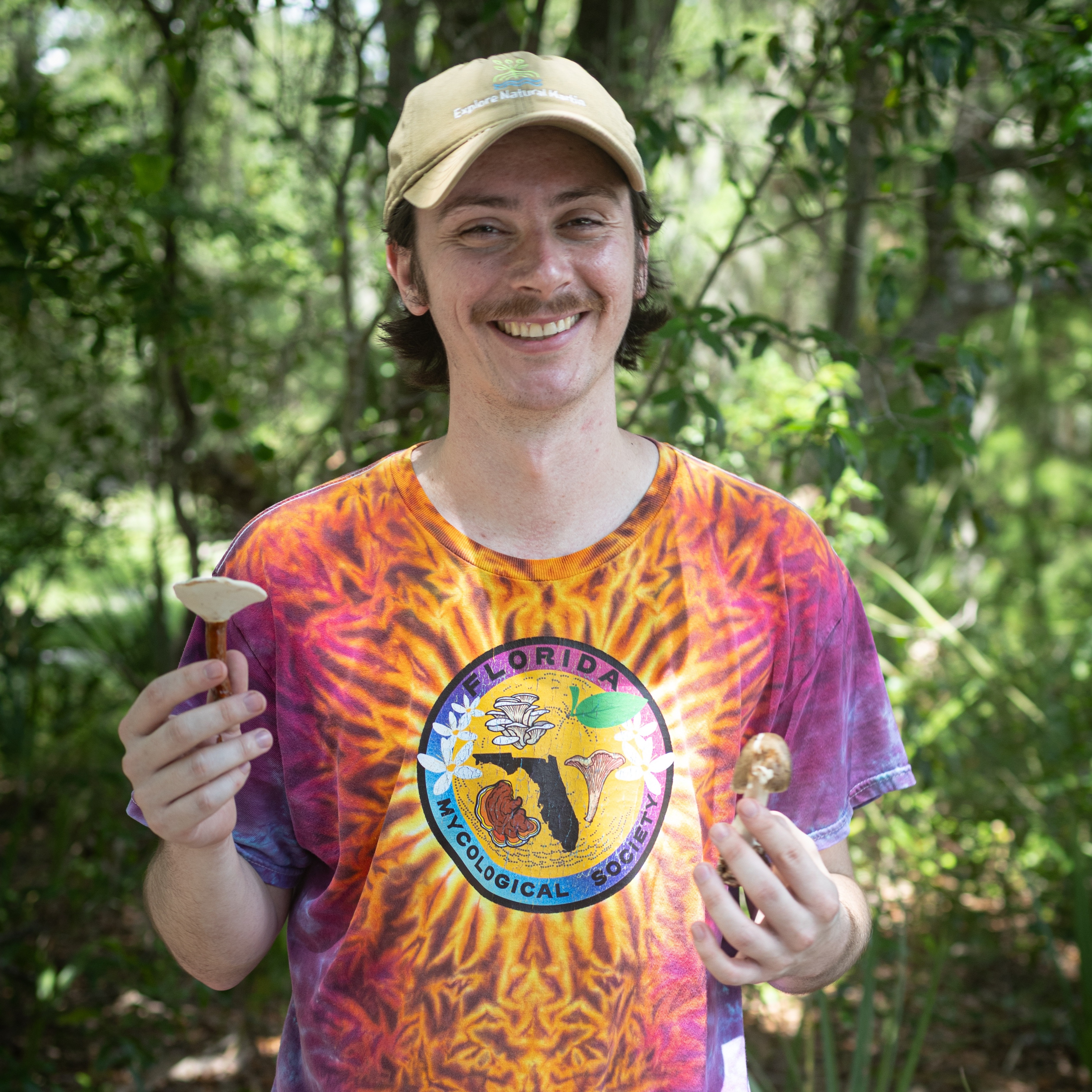
Mycologist · Photographer · Scientific Advisor
Scott Ostuni is a self-taught mycologist, taxonomist, and mushroom photographer specializing in southeastern U.S. fungi through DNA sequence data and traditional morphology. He co-described Psilocybe niveotropicalis, Ps. caeruleorhiza, and Panaeolus oligotrophus, serves as a Sequence Validator for the Fungal Diversity Survey, and sits on the NAMA DNA Sequencing Committee.
Support
Recurring support for field collection, sequencing, assembly and open deposition in GenBank.
Give on PatreonCompanies, foundations and laboratories can sponsor expeditions, genome sequencing and open deposition.
Contact sponsorshipWe partner with laboratories, herbaria and field researchers on joint collection, shared SOPs, co-authored depositions and coordinated pipelines across target genera.
Contact the foundation